

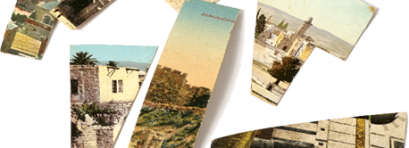
For the residents of Jerusalem, the arrival of tourists was a heartwarming sight, reflecting how deeply the city depended on tourism for its livelihood.
David Yellin described the changes in the city upon the arrival of tourists in 1897:
“The interpreters come to life, the money changers brighten their faces, the carriage drivers rejoice, the hotels adorn themselves in splendor, and flags of every nation wave from their windows and balconies.
Photography studios display their images proudly—pictures of all the holy sites, portraits of the land’s men and women in their traditional garments and coats (and of course, the hunched Jew with his sidelocks, shtreimel, caftan, and sandals was not absent).
Shops selling olive wood and mother-of-pearl crafts are cleaned and beautified, filled with vessels and trinkets to delight every eye.”
The exhibition “Being a Tourist in the Land of Israel” follows Jerusalem through the eyes of tourists during the late Ottoman period and the British Mandate.
How did Jerusalem and its residents appear to Jewish and non-Jewish tourists, mainly from Western countries? What did they think of the tour guides, accommodations, and food? And what souvenirs did the local Jerusalem hustlers sell them?